

Beyond the Irish Question
A nine-month relational journey exploring what it means to be Irish
23rd Sep 2026 - 23rd Jun 2027
A Personal Invitation
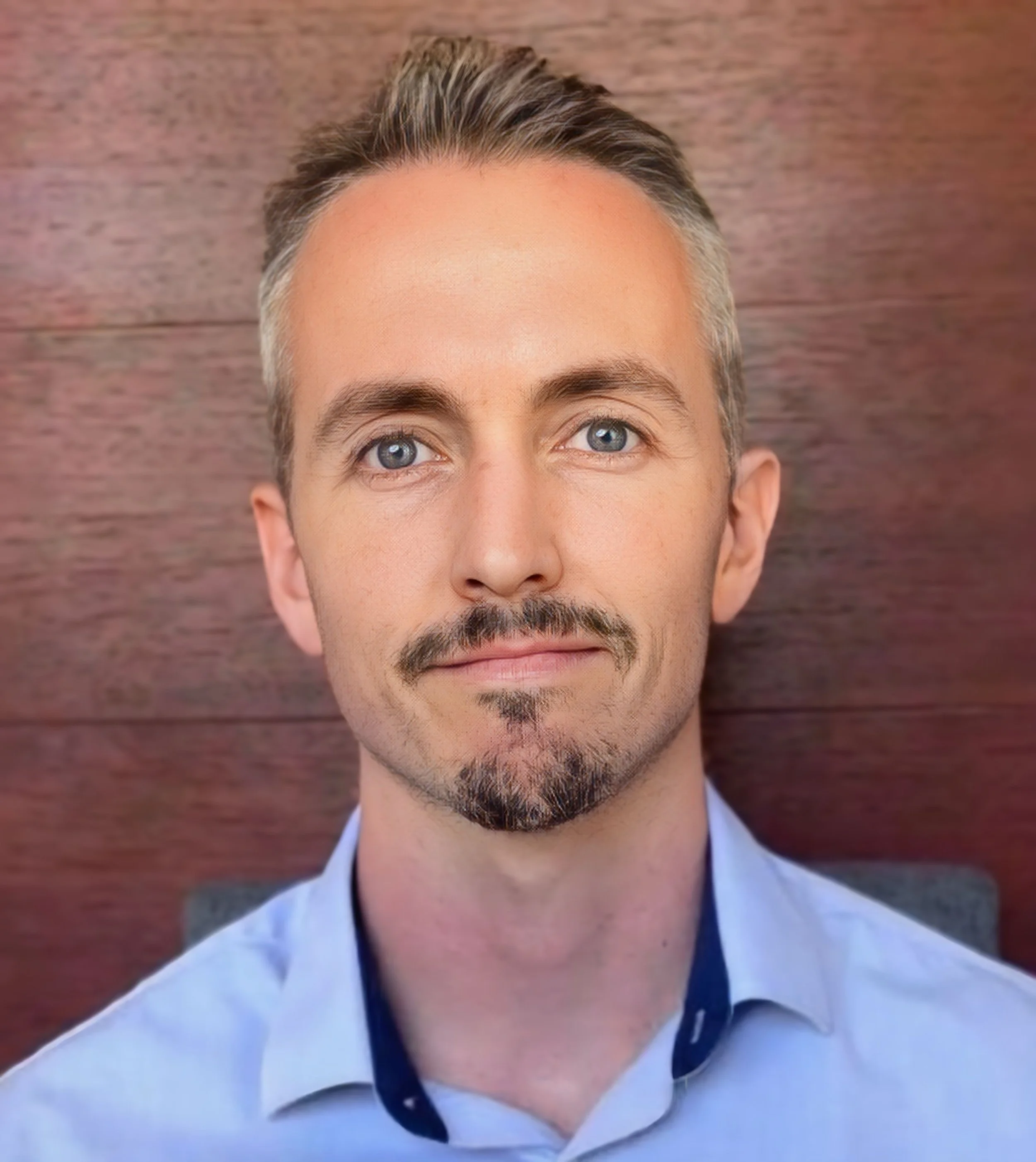
For many years, I've found myself returning to a simple question: what does it mean to be Irish today, a question I've come to believe has no final answer, only a living one.
That question has taken me into conversations with historians, psychotherapists, artists, spiritual teachers, and people from Ireland and across the diaspora, and taught me that our relationship with Ireland cannot be understood through history alone. It also lives in our bodies, our families, our relationships, and the stories we inherit across generations.
I created Beyond the Irish Question, held together with Karen McAllister and a circle of co-facilitators, because I believe Ireland is living through an important moment. Alongside extraordinary resilience, creativity, and generosity, we also carry the unfinished legacies of colonisation, famine, migration then and now, religious division, conflict, and silence. My hope is to create a space where these can be explored with curiosity, honesty, and compassion, not by leaving the past behind, but by relating to it differently.
This Exploration isn't about arriving at the right answers. It's about creating the conditions for meaningful conversation, understanding, deep listening, and shared exploration.
Together, we'll ask what it means to belong, to ourselves, to one another, and to the unfolding story of our lives.
If something in you has been quietly asking these questions too, we'd be honoured to welcome you into the journey.
What is Beyond the Irish Question?
Beyond the Irish Question a nine-month relational journey exploring how Irish history, land, and lineage live in us today.
The themes we explore - belonging, ancestry, land, diaspora, power, polarisation - are the ground. What changes people is what happens on that ground: learning to be present, to speak from something deeper than habit, to listen without defending, to stay in the room with each other's difference rather than smoothing over it. This is the work underneath the themes we’ll explore.
Grounded in trauma-informed, somatic, and ancestral practice, and held in a steady group field, the process supports you to uncover how ancestral memory and cultural patterns live in your body, your relationships, and your sense of belonging, not as ideas to understand, but as ground to inhabit.
The invitation is simple: to turn inherited fracture into belonging, resilience, and possibility, for yourself, your lineage, and the people you touch.
What You'll Experience
Over nine months, you'll become part of a committed learning community where Ireland's history is explored not only through the mind, but through relationship, dialogue, and embodied experience. Together with participants from Ireland and the diaspora, you'll journey through live teaching, reflection, conversation, and shared practice, allowing learning to unfold over time.
Throughout the journey, you will:
Join 26 live online sessions combining teaching, dialogue, and embodied practice.
Learn from an experienced faculty of historians, therapists, storytellers, artists, and spiritual practitioners.
Explore how Ireland's history lives on in ancestry, identity, belonging, and the body.
Engage in reflective and somatic practices that support deeper presence.
Connect with a thoughtful community from Ireland and the diaspora.
Pause every third week for integration and reflection.
Access recordings and programme resources throughout and after the journey.
-
Twenty-six live online gatherings where history, psychology, and lived experience come together through teaching, conversation, and collective inquiry.
-
Gentle somatic practices that help bring learning out of the intellect and into the body, supporting deeper integration and presence.
-
Dedicated integration sessions every third week, creating space to pause, reflect, and allow insights to settle before moving forward.
-
Engaging themes of ancestry, land, language, diaspora, power, and identity through inquiry, ritual, and shared presence.
-
A living field of fellow participants from Ireland and the diaspora, building resonance, belonging, and collective support across the journey.
-
Small peer groups meeting between modules, supporting continued reflection, accountability, and relational practice.
-
Learn alongside an exceptional group of historians, therapists, storytellers, spiritual practitioners, and community leaders, each bringing a unique perspective to the journey.
-
Full access to session recordings and curated resources to deepen your exploration between and after sessions.

Journey Through the Explorations
Across these eight modules, each theme becomes a resource, not a subject. The resource of belonging, ancestry, land, language, myth, asking not what we know about them, but what they ask us to be more real about, with ourselves and each other. Each module opens a way into your own particular relationship with being Irish, not conclusions to arrive at, but something to access, claim, and carry forward. Teaching blends with lived practice - somatic, relational, ancestral - so what's offered is felt and inhabited, not just understood.

We begin by arriving together, grounding ourselves, and opening a shared relational field.

Exploring the tension between rootedness and growth, and what it means to belong.

Turning toward ancestral memory to uncover inherited burdens, resources, and wisdom.

Rediscovering the deep relationship between place, language, identity, and belonging.

Turning toward migration, loss, longing, and the search for home across generations.

Encountering division in us and between us, opening space for coherence and connection.
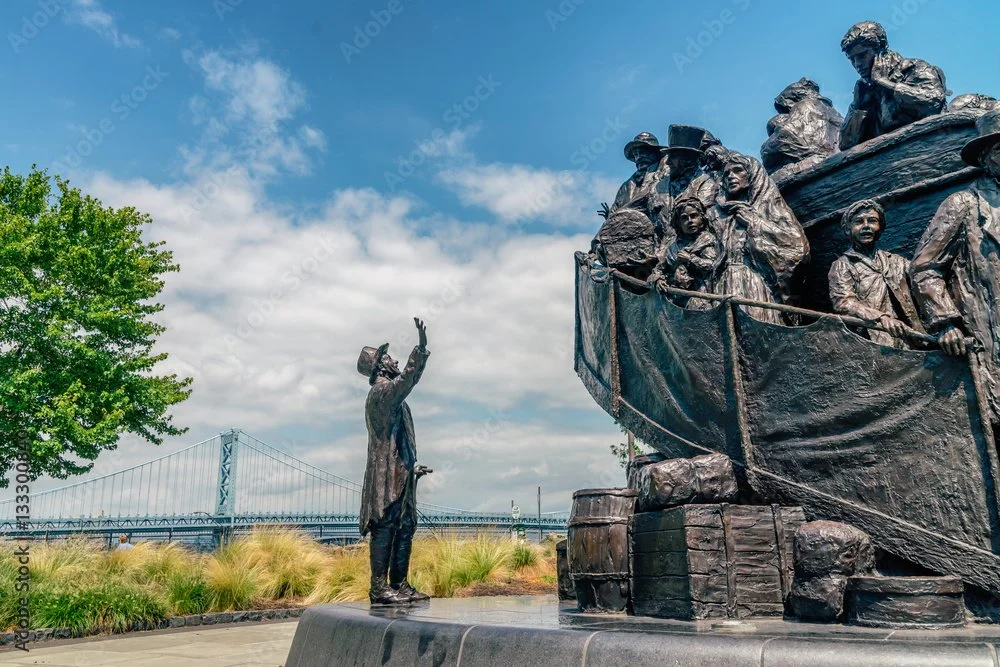
Examining Ireland's inheritance of power, leadership, silence, and resilience.
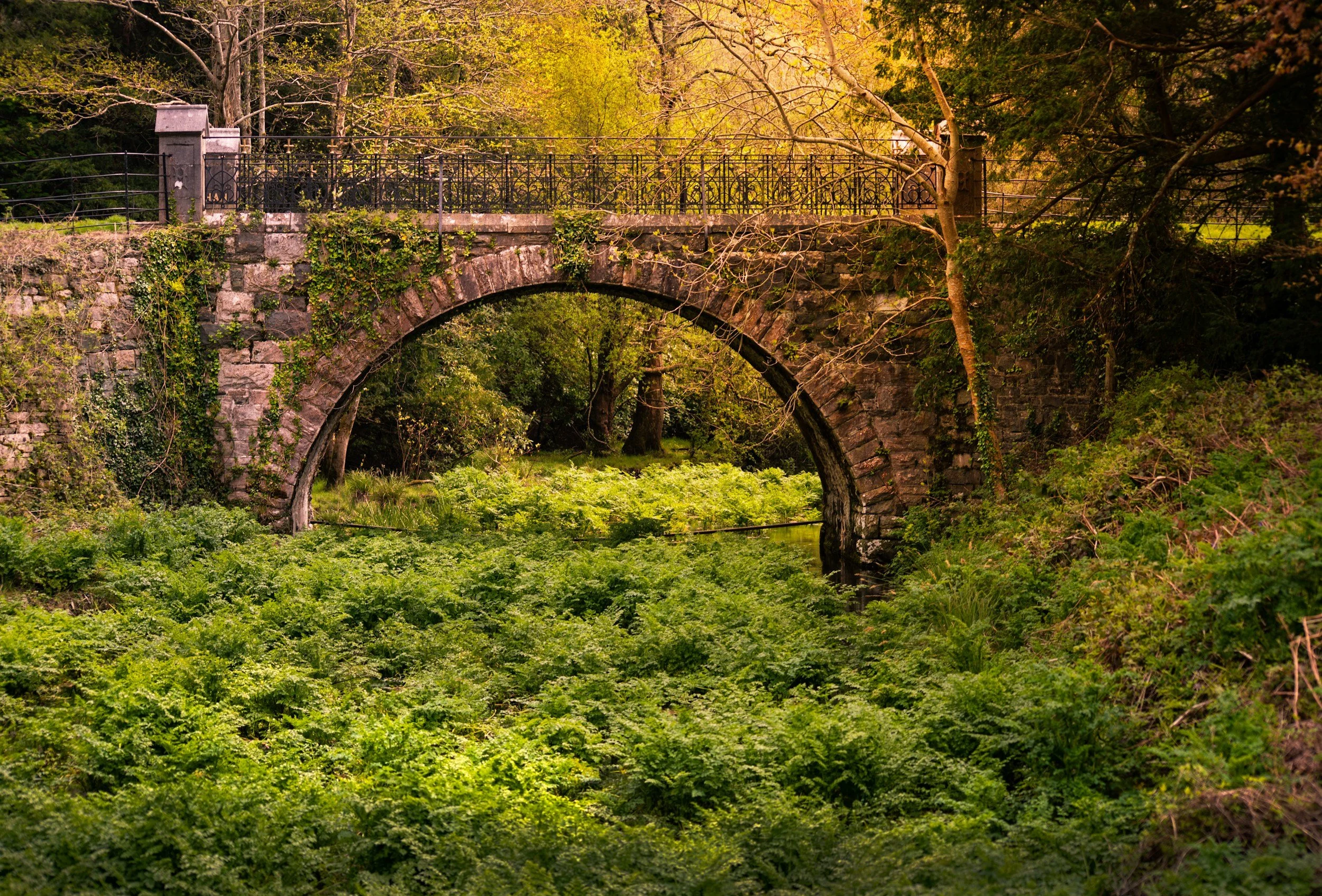
Meeting the older stories and symbolic language Irish culture has used to hold what could not be said plainly.
Join the Exploration
Registration closes on Sunday, 20 September 2026.
Save 10% with our Early Bird rate until 2 September 2026.
Your discount is automatically applied at checkout.
26 live sessions • 9 months • Guest faculty • Recordings included
Accessible
€960
€864 Early Bird
For those with limited financial resources who would benefit from a reduced contribution.
Prefer to spread the cost?
Standard
€1280
€1.152 Early Bird
The contribution that reflects the true value of the programme and helps sustain this work.
Prefer to spread the cost?
Supporter
€1600
€1.440 Early Bird
An opportunity to support scholarships and help make this journey accessible to others.
Prefer to spread the cost?
All three contribution levels include exactly the same programme.
The different tiers simply reflect different financial circumstances and capacities to contribute.
*If cost is a barrier and you feel called to this work, please email us - scholarship places are available, and we don't want anyone excluded on financial grounds.
What Participants Have Said
Voices from the Exploration

Feel a genuine curiosity about Ireland's history, identity, and living inheritance.
Have Irish roots, whether you live in Ireland or across the diaspora.
Are willing to stay with complexity rather than search for simple answers.
Value dialogue, reflection, and relationship over debate or certainty.
Feel called to explore how history lives in the body, in families, and in culture.
Long to deepen your sense of belonging to yourself, to others, and to Ireland's unfolding story.
No previous experience with trauma work, somatics, or Irish history is required.
This Journey May Be For You If You:
When This Journey May Not Be the Right Fit If You:
Are looking primarily for an academic study rather than an experiential journey.
Want clear-cut answers, debates, or ideological arguments instead of dialogue and inquiry.
Prefer certainty over curiosity, or fixed conclusions over ongoing exploration.
Are seeking immediate therapeutic support during a time of acute crisis. While this work may touch tender places, it is not a substitute for therapy.
This is a space for presence, reflection, and shared inquiry—for those willing to explore rather than convince.
Why Beyond the Irish Question?
For over a century, Ireland was framed by British politics as "the Irish Question," a problem to be managed, a population to be solved.
That framing still echoes: in families, in memory, in how each of us holds our own belonging.
Many of us carry a quiet ache:
a heaviness we can't quite explain
a longing to feel at home in our own Irishness
a rupture between past and present, here and there, self and story
This isn't only political. It's personal, ancestral, relational.
And it isn't only one story. Many of us carry both lines in our own lineage - those who were dispossessed, and those who held the pen, the land, or the office that did the dispossessing. Whichever inheritance runs through us, it asks to be met honestly.
To go beyond the Irish Question is to ask a harder one:
Are we allowed to become fully who we are, at home in our own Irishness, wherever we carry it from?
We don't have to answer that alone.
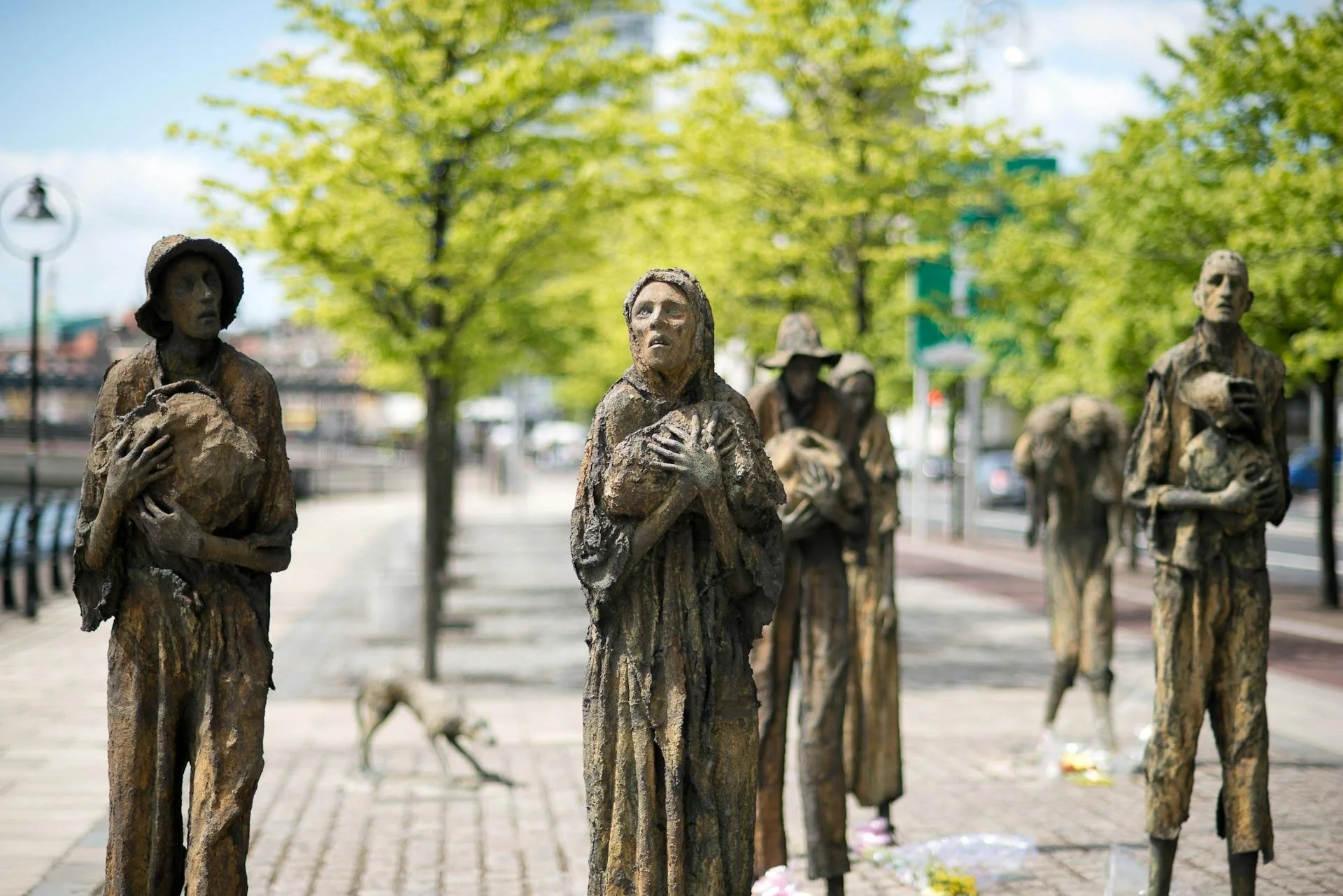
In 2024, a year-long Pocket Project Lab brought together 54 people from Ireland and the diaspora to explore the legacy of the Great Famine (An Gorta Mór). Rather than focusing on history, the Lab created space to feel how famine still lives in our bodies, families, and culture.
Through remembrance, art, and language, participants began to integrate what ancestors could not, opening new possibilities for belonging.
As featured on BBC World Service Sun 3 Aug 2025
What is Collective Healing? podcast hosted by Matthew Green, produced by J'aime Rothbard.
In this episode, Simon Courtney shares insights from the Pocket Project Lab on the Irish Famine (An Gorta Mór). He speaks about how famine, colonisation, and migration still live in us today, and the importance of collective spaces to digest what ancestors could not. The conversation opens a window into how remembrance and healing can shape new possibilities for Irish identity and belonging.
The Vision
“To tell our island’s history as a migrant story reveals how the definition of Irish identity is always in process, never completed.”
~ Maurice J. Casey
To go beyond is to imagine what else is possible, to remember we are more than our trauma, that we also carry resilience, song, kinship, humour, and a deep bond with land.
Beyond the Irish Question is a space to reimagine Irishness - not only as history or bloodline, but as a living culture of coherence, presence, and care.
By gathering across lines of difference, from Ireland and across the diaspora, we remember something older than the wound: the possibility of belonging, together.
This journey is not about fixing Irish identity in place. It's about opening space for it to keep becoming, in us, and between us.
